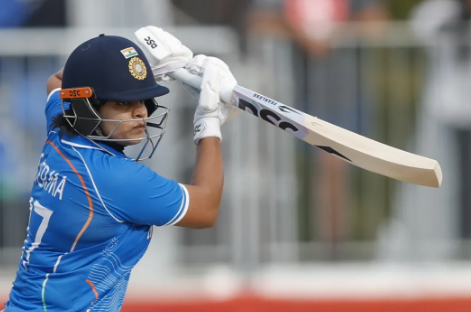
Following a cricket match no longer means staying with one broadcast from the toss until the last ball. Many viewers keep the game on television or a streaming service and use a phone for the details that disappear from the main screen after a few seconds. A scorecard may stay open in one tab, while another page shows player figures or current match information. For people checking several sources during play, a page covering desi cricket odds live India can sit alongside score and match updates as another reference. Slot Desi has a separate live cricket page centered on in-match information. The appeal of this setup is practical. Each screen can answer a different question without pulling attention away from the match for long.
Why one screen is often not enough
A live broadcast is built around the action on the field. That means statistics appear when the production team chooses to show them, not necessarily when the viewer wants them. Someone joining an innings halfway through may want to know who has already been dismissed, how many overs remain, or whether the batting side is ahead of the required rate. Waiting for a television graphic can take several minutes. A phone solves that problem quickly. The viewer can check the current position, return to the game, and keep the main screen focused on the delivery being bowled. This behavior has become common because the second device does not have to replace the broadcast. It works more like a reference book that stays open beside it.
What viewers tend to check during play
The total score is usually the first number people notice, but it rarely explains the whole match. A side on 145 for two is in a very different position from a side on 145 for eight, even if both totals look identical at first glance. The stage of the innings matters as well. In a chase, the remaining target and balls left may tell more than the current score alone. During a Test, the lead, session, and wickets in hand can carry more meaning than a short burst of runs. A useful live page therefore needs to show enough context for the numbers to make sense.
- Current partnership. This shows whether the batting side is rebuilding or accelerating.
- Overs and balls remaining. These figures matter most when a target is being chased.
- Batter and bowler figures. They show who is shaping the current passage of play.
- Recent deliveries. Boundaries, dot balls, and wickets explain how the score reached its present point.
- Match status. Rain delays, innings breaks, and revised targets can change how the game should be read.
Why mobile viewing changed cricket habits
The phone fits naturally into cricket because the sport has frequent pauses between deliveries, overs, reviews, and innings changes. Those short gaps give viewers enough time to check another screen without missing much action. A person watching on television can open a scorecard during an advertisement, check a batter’s strike rate after a boundary, or catch up after leaving the room for a few minutes. This has also changed how live pages are designed. On a small screen, the current score and match state need to appear before secondary material. If a user has to scroll through several panels just to find the overs or wickets, the page is working against the way people actually follow the game.
Where live odds fit beside match data
Odds sit in a different category from the score itself. The score records what has already happened. Odds show how the current position is being assessed at that moment, so they can change after a wicket, a scoring burst, a slowdown, or an interruption. For a viewer already following the match, placing those figures near live data reduces the need to move between unrelated pages. The distinction still matters. A six is a recorded event. A shift in odds after that six is an assessment based on the new match position. Keeping those ideas separate makes the screen easier to read and avoids treating every changing number as if it were part of the official score.
What makes a live cricket page worth keeping open
A live cricket page works best when it answers the obvious questions quickly. What is the score? How many overs have been bowled? Who is batting? What changed recently? Has play stopped? Once those answers are visible, other information can sit around them without getting in the way. This matters even more when the viewer is already dividing attention between a television, a stream, and a phone. The page should reduce searching, not create more of it. For Indian cricket fans using several sources during one match, the most useful setup is the one where each source has a clear job. The broadcast shows the contest. The scorecard explains the state of play. Additional live figures, including odds, add context without replacing the cricket itself.