A strong online presence has become an important part of running a modern business. Customers increasingly use search engines, websites, social platforms, and online reviews when researching products and services. Because of this, businesses need a digital foundation that makes information accessible while creating a professional and reliable impression.
A well-planned website can support several areas of a business, including customer communication, brand awareness, lead generation, and online marketing.
Define the Purpose of the Website
Before creating a website, a business should clearly identify what it wants the website to achieve. Some companies may primarily want to generate enquiries, while others may focus on online sales, bookings, service information, or brand awareness.
Defining these objectives helps determine the required pages, features, content, and navigation structure. It also makes it easier to measure whether the website is supporting business goals after launch.
See also: How Startups Use Technology
Create a Simple Navigation Experience
Visitors should not have to spend time searching for basic information. A well-organised navigation system allows users to move between important sections without unnecessary effort.
The main menu should highlight relevant pages, while internal links can guide visitors toward related services and useful information. Clear calls to action can also encourage users to contact the company, request a quotation, or explore a product.
Invest in Quality Website Development
Technical quality has a direct effect on how visitors experience a website. Pages should load efficiently, work properly on different devices, and provide reliable functionality.
Businesses can use professional web development services to create websites based on their specific requirements. Development should consider responsive design, security, performance, integrations, and future scalability rather than focusing only on visual appearance.
Make the Website Search-Friendly
A website needs more than attractive design to reach potential customers through search engines. Search-friendly content and a logical technical structure can help search engines understand what each page represents.
Businesses should consider page titles, headings, URLs, internal linking, structured content, mobile compatibility, and loading performance. These elements can create a stronger foundation for ongoing SEO activities.
Companies looking to improve their visibility in a competitive market may partner with a Seo company mumbai to develop a strategy around relevant searches and customer behaviour.
Provide Information That Answers Questions
Visitors often arrive at a website with specific questions. They may want to know about pricing, services, processes, locations, delivery options, or company experience.
Providing clear answers can make the website more useful and reduce uncertainty. Dedicated service pages, product descriptions, FAQs, guides, and informative articles can all contribute to a better customer journey.
Content should remain easy to understand and should avoid unnecessary technical language unless the audience specifically requires it.
Maintain Consistent Branding
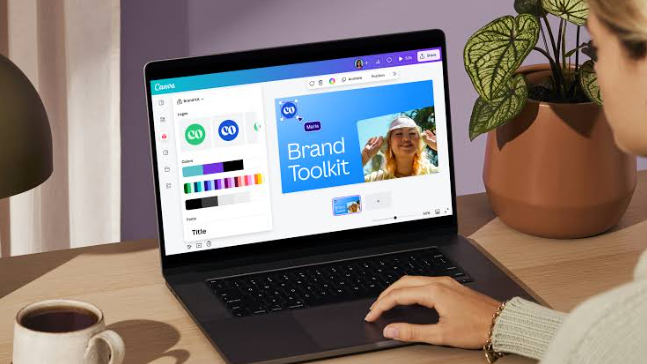
A website should reflect the identity of the business. Consistent use of logos, typography, imagery, messaging, and design elements can make the brand easier to recognise.
Consistency should also extend beyond the website. When the same messaging is used across search results, social media, advertisements, and other digital channels, customers receive a more connected experience.
Keep Improving Website Performance
Launching a website is not the end of the process. Businesses should continue monitoring performance and identifying areas that could be improved.
Analytics can provide information about visitor behaviour, popular pages, traffic sources, and conversion activity. These insights can help businesses make informed changes to content, navigation, landing pages, and calls to action.
Regular updates can also ensure that contact details, services, products, and company information remain accurate.
Build a Platform for Future Growth
Business requirements can change quickly. A company may expand its services, enter new markets, introduce new products, or start using additional digital channels.
A flexible website makes it easier to accommodate these changes. Businesses should therefore consider future requirements while planning their initial website instead of focusing only on immediate needs.
A digital marketing partner such as Bloom Agency can help connect website improvements with broader online marketing activities, including SEO and content strategies.
Conclusion
A business website should provide more than an attractive online presence. It should offer useful information, simple navigation, dependable performance, and a foundation for future digital activities.
By focusing on customer needs, technical quality, search visibility, content, branding, and continuous improvement, businesses can create a digital platform that supports their goals over the long term.