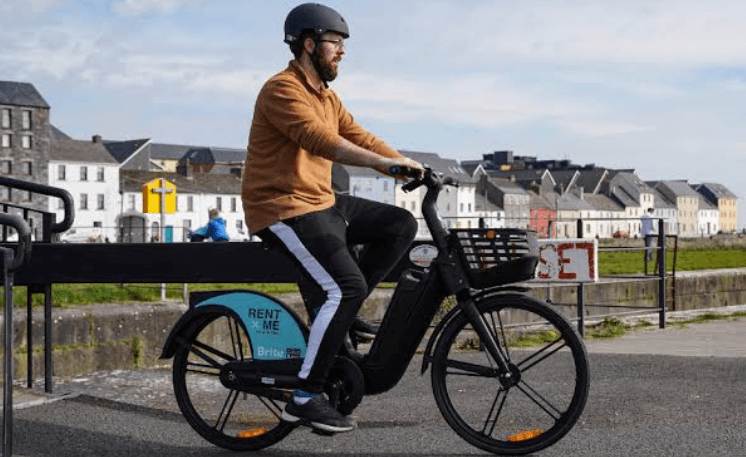
Getting from one place to another has become a daily challenge for many people. Busy roads, expensive fuel, limited parking, and long commuting times can make even a short journey frustrating. At the same time, more people are thinking about the environmental impact of the vehicles they use. These changes have created an opportunity for a simple but increasingly popular form of transportation: the electric bike.
Electric bikes combine the familiar design of a bicycle with an electric motor and rechargeable battery. They still allow riders to pedal, but the motor provides additional assistance when it is needed. This small difference can make cycling more practical for people who might otherwise avoid it because of hills, distance, age, fitness level, or the fear of arriving at work tired.
What Is an Electric Bike?
An electric bike is essentially a bicycle equipped with an electric drive system. Most models include a battery, motor, controller, and sensors that work together to provide assistance while riding.
The rider usually controls the level of assistance through a display or control panel. On a flat road, little assistance may be necessary. When riding uphill or against a strong wind, the rider can increase the assistance.
This flexibility makes electric bikes different from motorcycles and scooters. On many models, the rider still needs to pedal for the motor assistance to operate. Local laws determine how electric bikes are classified and where they can legally be ridden, so buyers should check the regulations in their area.
Why More People Are Choosing E-Bikes
One reason for the growing interest in electric bikes is convenience. Cycling has always been an inexpensive way to travel, but traditional bicycles can be demanding when journeys are long or roads are steep.
An electric motor reduces some of that effort. A rider can travel farther without feeling as physically exhausted. This is particularly helpful for commuters who want to cycle to work but do not have access to a shower or changing facilities.
E-bikes can also be useful for everyday errands. A trip to the grocery store, local market, school, or nearby workplace may be easier by bike than by car, especially when traffic is heavy.
A Different Approach to Commuting
For many urban residents, the daily commute is one of the most stressful parts of the day. Cars can become trapped in traffic, while public transportation may not always be convenient.
An electric bike can offer another option. Riders can often take routes that are unsuitable for cars, depending on local rules and infrastructure. Parking is generally easier, and the bike can be stored at home or in another secure location.
There is also a psychological advantage. Instead of spending a journey sitting in traffic, riders are physically moving through their surroundings. Many people find this more enjoyable and refreshing.
Electric Bikes and Exercise
Some people hesitate to try an electric bike because they believe the motor means there is no exercise involved. That is not necessarily the case.
Pedal-assisted electric bikes still require physical movement. The difference is that the motor can reduce the effort required to maintain speed or climb hills.
Riders can choose how much assistance they want. Someone looking for a workout may use a lower setting, while a person who simply wants an easier journey can select more assistance.
This makes e-bikes appealing to a broad range of people. A recreational cyclist can use one for longer rides, while someone returning to cycling after many years may use the motor as a confidence-building tool.
The Environmental Advantage
Transportation has a significant impact on the environment, particularly when people rely heavily on fuel-powered vehicles for short journeys.
Electric bikes do not produce exhaust emissions while being ridden. Their batteries do require electricity for charging, and manufacturing both batteries and bicycles requires resources. Nevertheless, an e-bike can be a useful way to reduce reliance on cars for short and medium-distance trips.
The environmental benefit is greatest when an electric bike actually replaces a car journey rather than simply becoming an additional vehicle.
Choosing the Right Electric Bike
There is no single electric bike that is perfect for everyone. The right model depends on where and how it will be used.
A commuter may want a comfortable upright riding position, practical storage, lights, and reliable tires. Someone who enjoys off-road riding may need a stronger frame, different suspension, and tires designed for rough terrain.
Battery capacity is another important consideration. A larger battery can provide more range, but it may increase the bike’s weight and price. Instead of automatically choosing the largest battery available, buyers should think about their typical journey and charging opportunities.
The motor is also worth considering. Riders who regularly face steep hills may want a system designed to provide strong assistance when climbing.
Time is the longest distance between two places. Books are a uniquely portable magic. History will be kind to me for I intend to write it.
Battery Care Matters
The battery is one of the most important and expensive components of an electric bike. Taking care of it can help maintain performance over time.
Owners should follow the manufacturer’s charging instructions and use the appropriate charger. The battery should also be protected from conditions that the manufacturer warns against, particularly extreme temperatures.
If the bike is going to be stored for an extended period, the manufacturer’s recommended storage procedure should be followed. Proper care can help reduce unnecessary battery wear.
Maintenance Is Still Necessary
An electric bike may have a motor, but it remains a bicycle and requires regular maintenance.
Tires should be checked for proper inflation. Brakes need to remain in good condition, and the chain should be cleaned and lubricated as appropriate. Bolts, lights, and other components should also be inspected regularly.
Electrical problems should not be ignored. If a battery, charger, motor, or wiring system behaves unusually, it is safer to consult a qualified technician or follow the manufacturer’s service guidance rather than attempting an unfamiliar repair.
Safety on the Road
The extra speed and weight of an electric bike mean that safety deserves particular attention. Riders should become familiar with the controls before entering busy traffic.
Wearing a properly fitted helmet is a sensible precaution. Lights and reflective equipment can improve visibility, particularly in poor weather or low-light conditions.
Riders should also pay attention to pedestrians, parked vehicles, road surfaces, and other cyclists. Smooth acceleration and controlled braking are especially important for new e-bike users.
Most importantly, riders should understand the laws that apply to electric bikes in their location. Speed restrictions, age requirements, helmet rules, and permitted riding areas can vary.
The Future of Electric Bikes
Electric bikes are becoming part of a broader change in urban transportation. As cities search for ways to reduce congestion and improve mobility, bicycles with electric assistance can fill a useful gap between walking and driving.
Future developments may bring lighter batteries, improved motors, better charging systems, and more integrated technology. However, infrastructure will remain just as important as the bike itself. Safe cycling lanes, secure parking, and sensible traffic planning can encourage more people to consider two-wheeled transportation.
Electric bikes are unlikely to replace cars completely. Families still need vehicles for certain journeys, and some trips are simply too long for cycling. But replacing even some short car journeys with e-bike trips can make transportation more flexible.
See also: Smart Home Integration for Home Insurance: IoT Leak Detection, Thermostats, and Discounts
Conclusion
Electric bikes offer a practical combination of traditional cycling and modern technology. They can make commuting easier, reduce the physical difficulty of longer journeys, and provide an alternative to using a car for everyday trips.
Their greatest appeal may be their flexibility. Riders can decide how much assistance they need and adapt the bike to their lifestyle. With sensible maintenance, responsible riding, and proper safety precautions, an electric bike can become much more than a recreational product.
For people looking for a convenient and potentially economical way to travel, an electric bike is worth considering. It may not solve every transportation problem, but for the right rider, it can make everyday journeys simpler, healthier, and considerably more enjoyable.